DungeonBox Heroes Tier List Hub
A speculative pre-release role framework for planning parties—not an official Foxtail ranking.
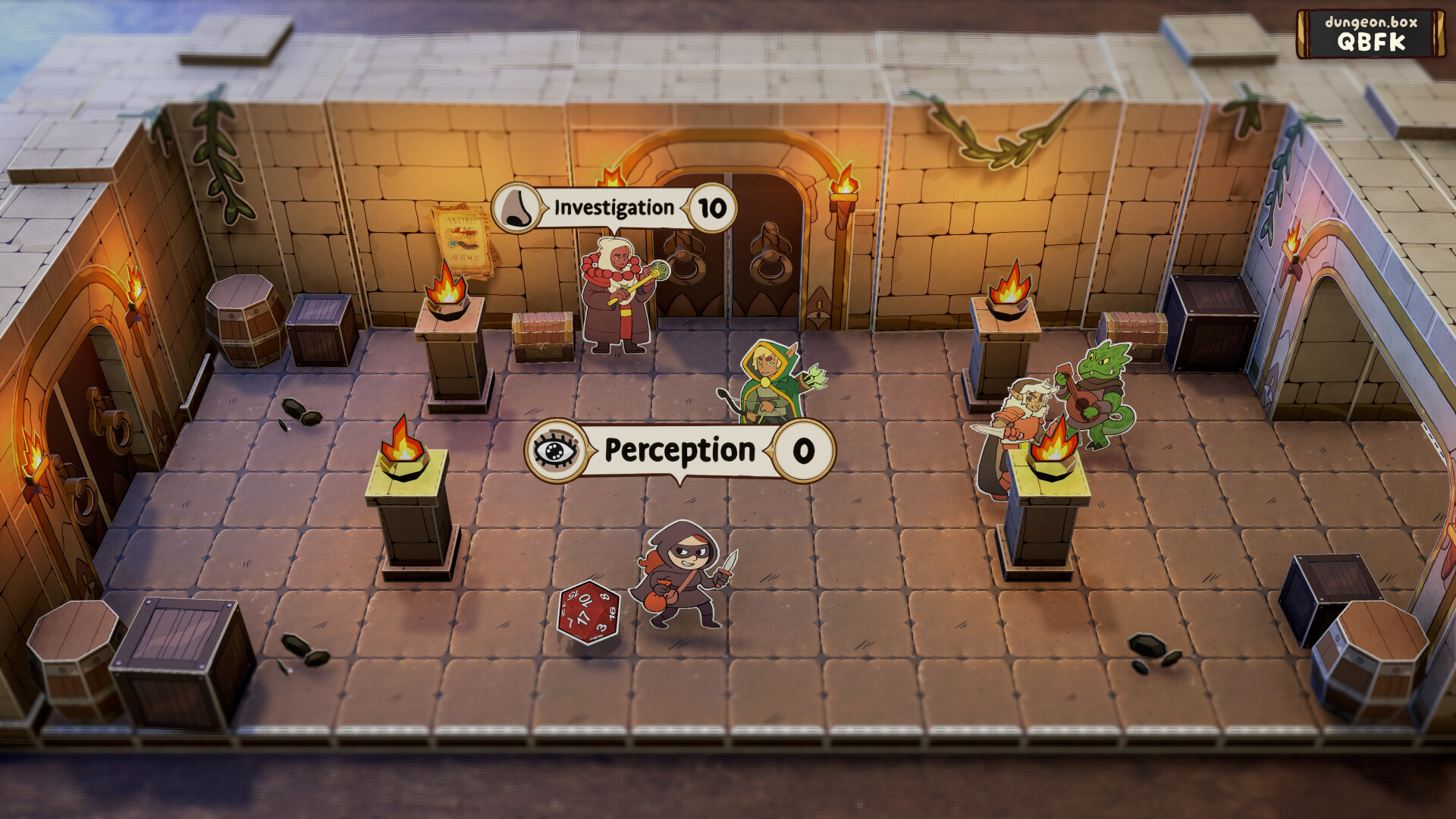
Important: This Heroes Tier List Hub is a pre-release community planning framework. DungeonBox by Foxtail Games LLC launches on Steam on December 1, 2026. Foxtail has not published an official S–F hero ladder. We do not invent named hero rankings. Instead, this hub sorts role fantasies—support, damage, utility, and comedy—so tables can draft balanced parties of up to eight phones before real patch data exists.
Treat every placement below as provisional. After launch, revisit with demo notes, patch notes from the Updates Hub, and your own combat voting sessions.
How to use this framework
- Read Heroes for roster basics (twelve heroes, phone join via dungeon.box).
- Skim Abilities and XP so Fireball, Pickpocket, Diss Track, and Bard playlist tools make sense.
- Pick at least two role lanes for labyrinth nights.
- Adjust for your host’s content rating slider and DM mode (computer or player).
- Ignore anyone claiming a locked “meta” before public balance patches.
Tier key (role strength for party planning)
We use letter bands to describe how often a role fantasy carries a typical Kickstarter-energy table, not power level of secret characters.
| Band | Meaning in this pre-release framework |
|---|---|
| S | Almost always valuable when someone at the table wants this fantasy |
| A | Excellent in common quest mixes; slight dependency on rating or DM style |
| B | Strong in the right adventure (labyrinth crawl vs pure comedy tavern) |
| C | Situational; still fun—just communicate before lock-in |
| D | Niche; bring deliberately for a themed night |
Again: not official. Foxtail’s twelve heroes will each map onto these fantasies differently once full kits are public.
S-tier role fantasy: flexible anchors
Mixed support-utility thinking sits at S for most pre-release parties. Tables that can stabilize bad votes, pass skill checks for keys and traps, and still contribute cards in a fight rarely regret that seat. When you only have three humans plus CPU fillers, prioritize someone who enjoys problem-solving answers over pure bits.
Why S before launch: Lion’s Labyrinth marketing emphasizes chests, hidden keys, trolls, mimics, and turn-based battles. Utility checks plus supportive typed actions cover both exploration and recovery after a natural 1.
A-tier: damage and structured comedy
Damage-leaning fantasies land in A because combat voting is a headline system. Fireball-style unlocks and aggressive cards matter when quests turn violent. Damage is not S by default because freeform nights can go entire hours without a fight if the party negotiates everything.
Structured comedy (Diss Track energy with still-competent checks) also sits in A when the rating slider allows it. Comedy that still passes rolls keeps the story moving; comedy that always fails becomes a stall. Bard playlist control elevates comedy further for stream-friendly rooms.
B-tier: pure lanes
Pure damage without utility curiosity is B for labyrinth-heavy agendas—great in boss rooms, quieter while sniffing keys. Pure comedy without investment in stats is B on Anything Goes nights and C on Family Friendly nights. Pure support without a second verb (damage or utility) is B: wonderful when the computer DM throws crises, quieter when the table only wants heist jokes.
C and D: themed seats
Audience-bait chaos (maximum bits, minimum checks) is C for private friends who consented and D for mixed-age or corporate party nights. Experiment kits you are trying only because the demo just dropped belong in C until you learn their ability cadence.
CPU-filled seats can cover missing lanes: if humans all locked comedy, ask the host to add CPU presence so combat cards still have variety.
Scenario overlays
Lion’s Labyrinth crawl
Raise utility and damage. Read Lion’s Labyrinth. Expect searches, traps, and card fights on the road to the Gilded Serpent’s hoard.
Tavern / one-shot comedy night
Raise comedy and support. Keep one utility brain so the story can exit a joke spiral. Confirm rating on the party host checklist.
Stream with audience votes
Comedy and readable damage flash climb. Hide the room code; practice join flow via How to Join.
Teaching night with the demo
Prefer clear support-utility anchors. Follow Getting Started and How to Play. Try the demo before ranking anything in your head as gospel.
What we refuse to do
- Publish fake hero names or fabricated ability numbers.
- Claim Foxtail endorsement for letter ranks.
- Pretend console builds (planned 2026) already have separate metas.
- Ignore Kickstarter context: 9,835 backers and about $594k funded a party game first, a theorycraft game second.
After release — how this hub will evolve
Post-launch updates should cite patch notes, not vibes alone. Expected changes:
- Split hubs for PvE labyrinth vs freeform quest comedy if balance diverges.
- Ability-specific callouts once unlock trees are fully documented on Abilities and XP.
- Links from Players Hub whenever roster presentation becomes official enough for named pages.
Until then, draft with roles, play the session, and laugh when a natural 1 ruins your S-tier plan.
Related navigation
- Players Hub, Heroes, Guides Hub
- Tools Hub, Links, wiki
- Release Date for platform timing (Steam Win/Mac now; consoles planned 2026)
This tier list exists to start conversations at the table—not to end them.
Frequently Asked Questions
Quick answers for hosts, heroes, and first-time players.
Is this an official DungeonBox tier list?
No. It is a pre-release community framework based on roles (support, damage, utility, comedy). Foxtail Games has not published official hero rankings.
Why are there no hero names in the tiers?
This wiki does not invent a named roster. We rank role fantasies so parties can plan before full public kit details and patches exist.
Will the list change after December 1, 2026?
Yes. After launch and patches, placements should be revised with real session and balance data.
How should my table use this tonight?
Cover at least two role lanes, match comedy picks to your content rating, and fill gaps with CPU players if needed.